


 |
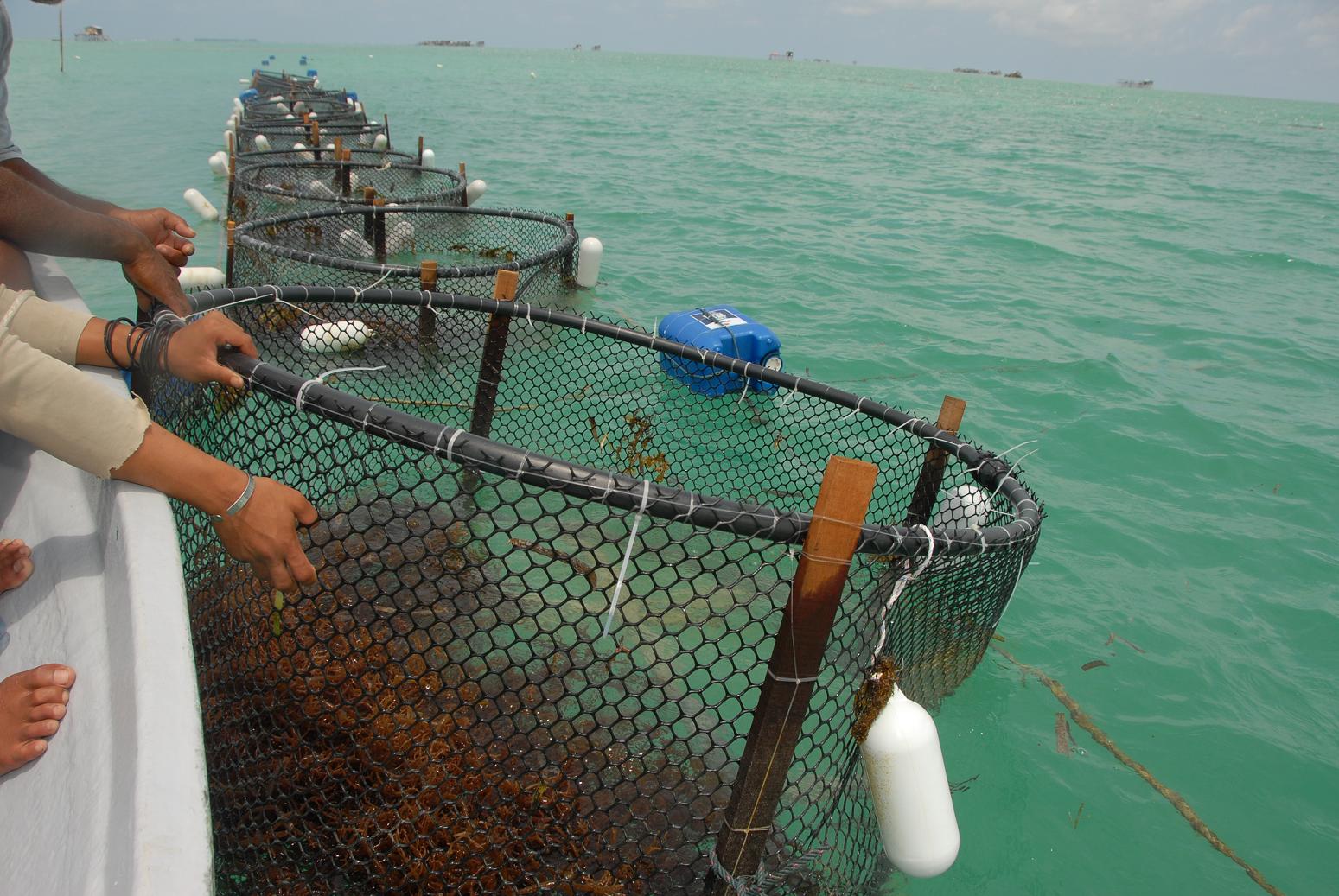 |
Activity 1 : Encourage Caged Farm Fishing in Sabah & Sarawak
1. Background
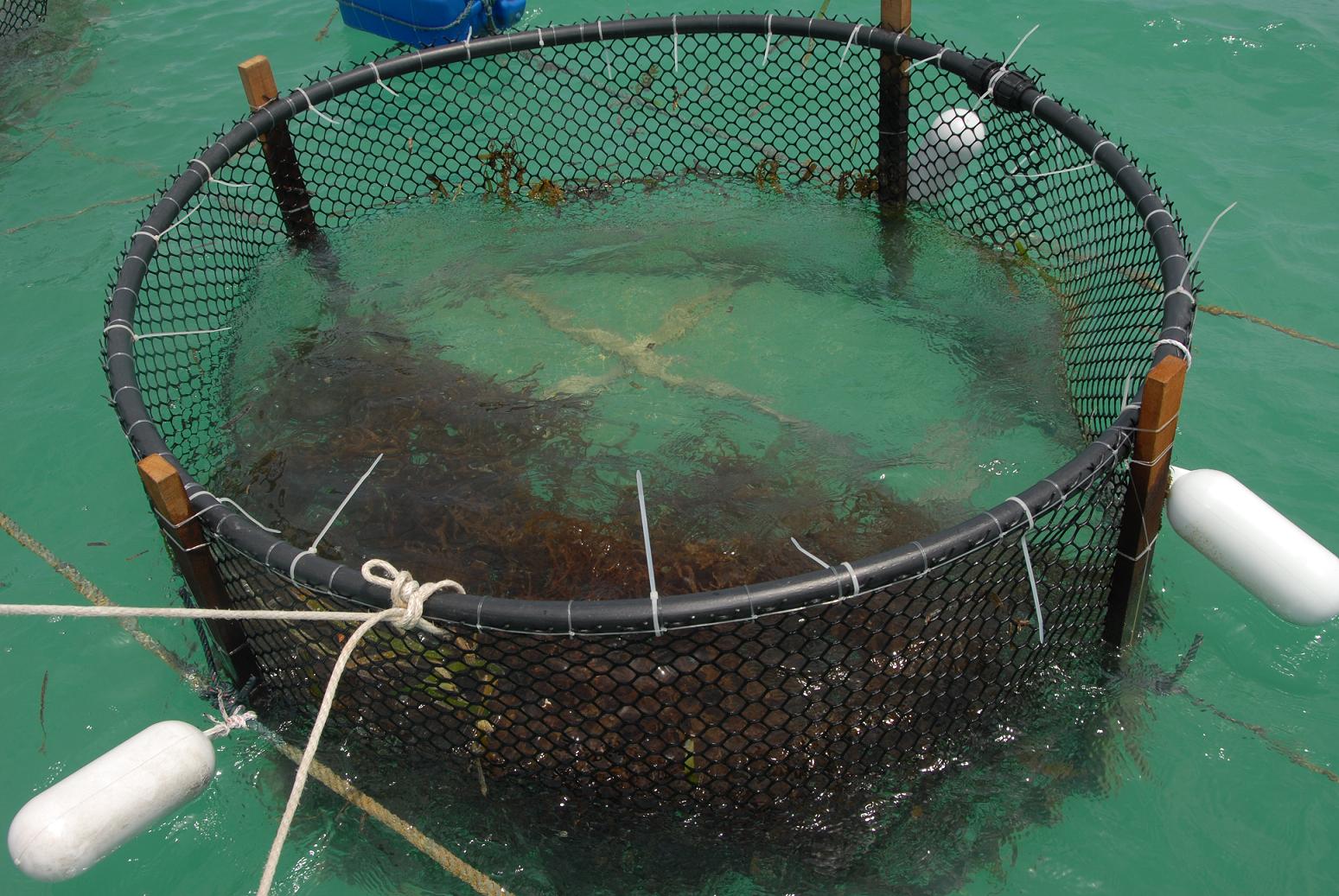
- Caged aquaculture have developed significantly since the last 20 years and is considered as one of the most popular method used in aquaculture especially within the area that have a sheltered coast or estuary.
- The caged farming system has developed progressively due to increasing demand and the problem of dwindling area suitable for caged farm fishing. The use of wooden raft is slowly diminishing and replaced by cage made from “high density polyethylene’ (HDPE) which could last longer in an exposed area in addition of reduced cost in maintenance.
- To encourage participation from off shore fishermen to marine caged aquaculture in order to increase productivity and improve the country’s fish output, it is suggested that a marine fish caged equipment support is provided. This activity is proposed for the state of Sabah and Sarawak considering that these two states is still behind in term of caged aquaculture marine facilities compared to the states in the Peninsular. In these states there are vast areas which are free from pollution and are suitable for caged farming.
- Type of fish species suitable for caged farming are as below:-
- Siakap (Lates calcarifer)
- Jenahak (Lutjanus Johni)
- Kerapu (Epinephelus taurirna)
2. Project Objectives
- Encourage and introduce the marine fish farming in cages technology to fishermen in Sabah and Sarawak.
- Utilise the coastal and estuary marine resources to maximise the production of fishes which is also environmentally friendly.
- Improve the country’s fish supply by increasing the caged marine fish aquaculture productivity.
- Provide employment opportunity to fishermen and their family members.
Activity 2 : Research Project – Pre-Possibility (TEMU)
1. Project Objectives
- Increase the production of marine farming especially amongst small scale fish keepers.
- The research is also expected to be able to assist LKIM in identifying new findings within the field of aquaculture.
- Identify the effectiveness in the utilisation of new input materials in the production of quality output.
2. Project Components
- Equipment available for the water treatment project using anolyte could not sustain the actual capacity of anolyte. Considering the level of equipment effectiveness within the pond water treatment is very good, additional support to the existing equipment is very much needed.
- Multiple Fish Species Farming Trial Projects will be implemented in order to increase the number of species suitable for marine farming thus eliminating our dependency on only one species. Fish keepers are expected to benefit from this project. At the current moment tiger prawn farming is no longer considered as a profitable marine culture. Other species such as the new white prawn will now become a focus as it provides handsome return.
Activity 3 : Fish Fry Hatchling Project, Sabah
1. Project Objectives
- Produce and supply of fish fry to LKIM fish farming projects and private companies in Sabah.
- Reduce the import of marine fish fry from foreign countries.
- Assist in the development of the nation’s fish farming industry especially for caged aquaculture.
2. Project Components
- The implementation of this project will include the hatching, supply and installation of infrastructure for hatching including consultation services on the research of area suitability (quality of water source and others)
- Production of fry would require the use of fish brood stock from local sources. A total of 10 cycles of fish fry hatching is required in a year to produce a number of 100,00 – 500,000 fish fry at 3gm in size.
- The hatching project will be managed entirely by the project team. The staffs requirement will be as follows:
- Manager – 1 (E03)
- Technician – 1 (E01)
- Supervisor – 1 (E07)
- Account Clerk/Typist – 1 (C11)
- Labour – 1 (R11)
- Driver – 1 (R10)
- The project construction will take 1 year and the project can then be initiated henceforth.
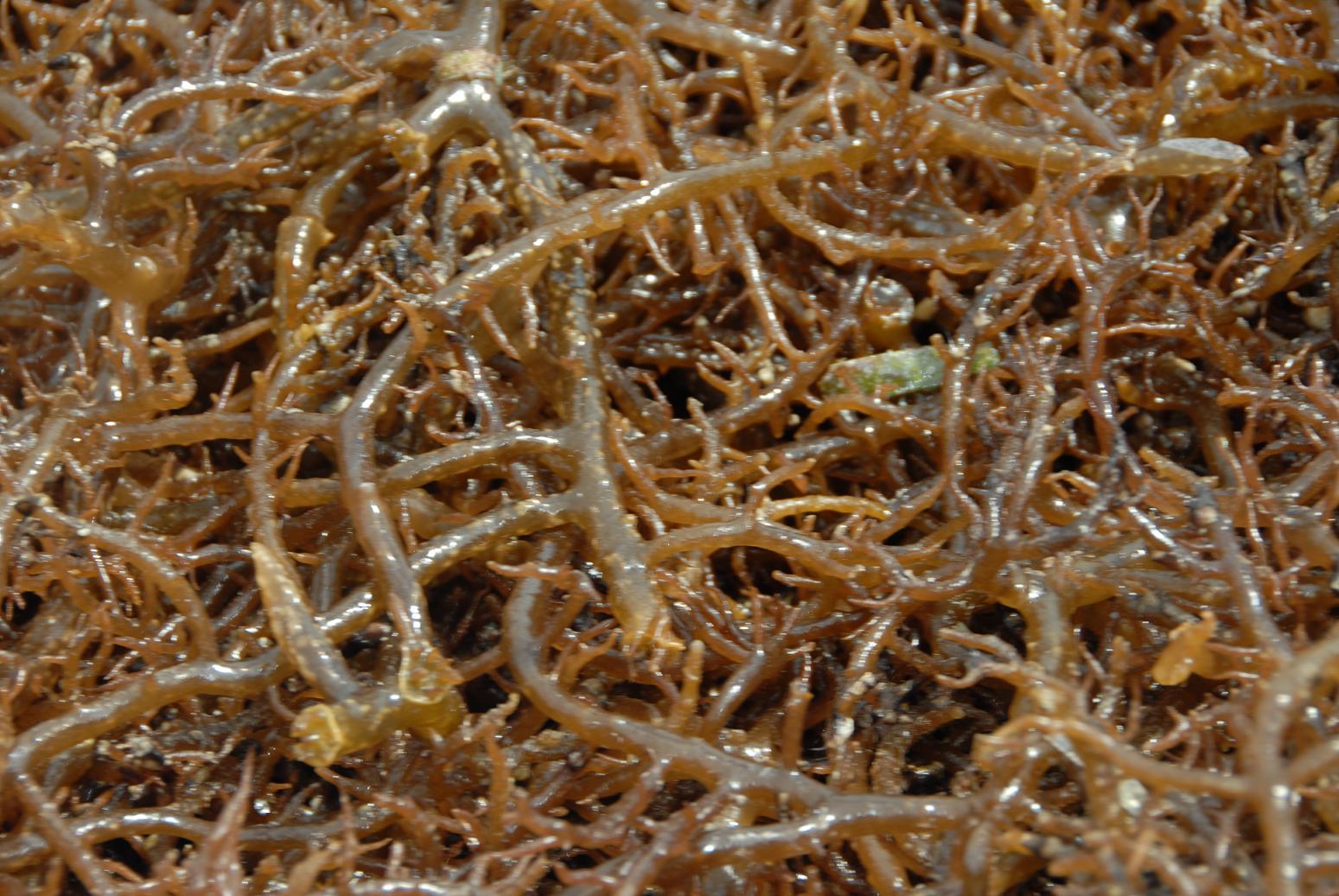
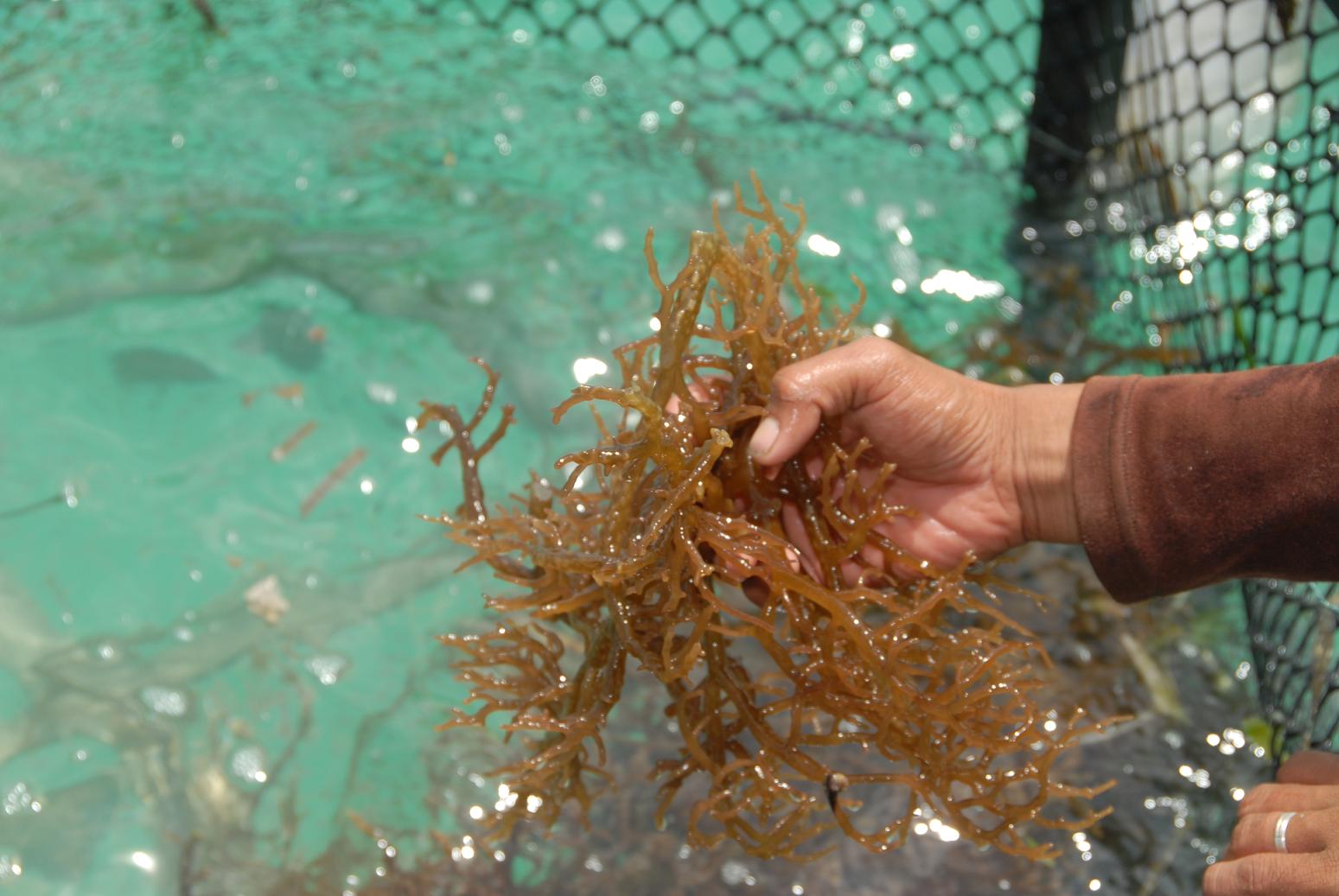
Activity 4 : Seaweed Project, Sabah
1. Project Objectives
- Aiding in the completion of a special area dedicated for the development of seaweed and is equipped with the basic infrastructure and other industrial support system for culturing activity and processing of value added seaweed-based products. In addition continuous efforts are being made to identify new areas that have the potential to be developed as seaweed culturing area.
- Induce the production of quality seaweed seedlings (parental stocks) by providing nursery and seaweed seedling banks. This activity will ensure constant supply of quality seedlings in addition to higher returns to the producer. The production of dried seaweed within a 1 hectare area s is estimated at 8.4 metric tonnes a year (4 cycles’ yearly x 3,000 seedlings x 10 rows x 70% lives x 10% dried).
- Increase the production of seaweed through the provision of support and incentives from the government in forms of infrastructure, tax incentives, easy financing scheme and R&D support.
2. Project Components
The main components of the proposed projects are to provide decent basic/logistic infrastructure, technological aspect, industrial support system and encouragement for culturing.
- Provision of decent basic/logistic infrastructure
- Development of new area – national Seaweed Industrial Zone
– Area Identified: 2,000 ha
– Managed the site issues with the state government. - Promote and expand the culturing area.
- Creation of a collection and drying centre for seaweed.
- Development of new area – national Seaweed Industrial Zone
- Technology and Development
- Production of Seedlings /parental stocks
– Selection of the best strains through tissue culture. - Create a Seaweed Nursery
– Encourage investors / partners. - Introduction of new technology for culturing/farming of seaweeds.
- Production of Seedlings /parental stocks
- Industry Support System
- Human Capital Development
– skill workers for culturing, processing, packaging. - Consultation and Related Technologies
– Technical Services - Development of Seaweed Entrepreneurs
– Farming/ Nurseries and Processing - Investment Incentives (Investment Promotion Act)
– Provision of investment incentives within the agriculture industry.
- Human Capital Development
- Encouragement for Culturing
Provision of various incentives and support to the target group (100 participants).